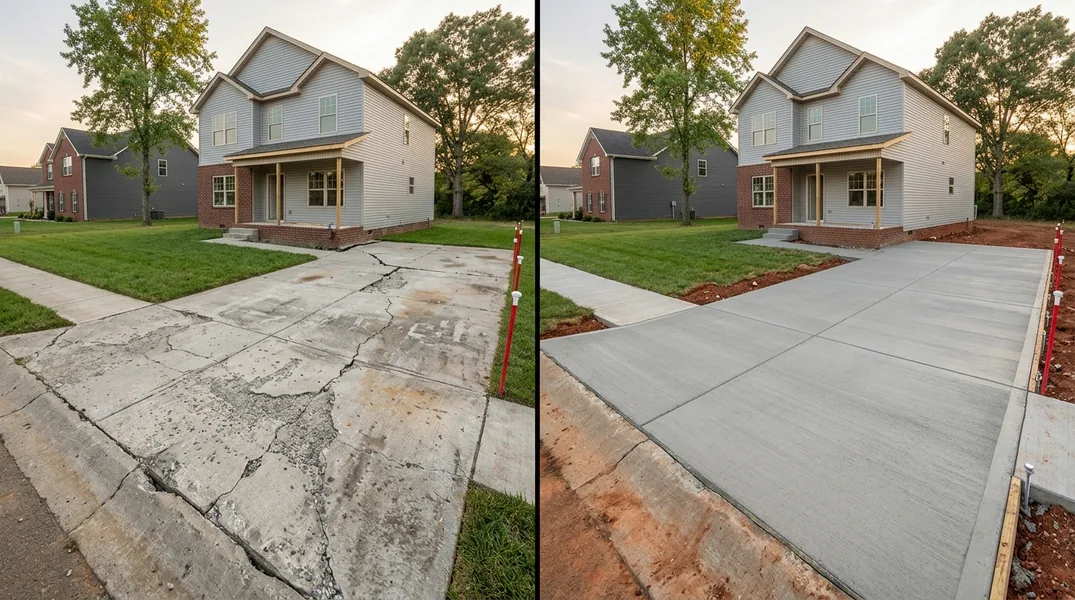
Understanding New Construction Concrete Slabs in Clarksville
Buying a new home is one of the most significant investments you'll make, and the foundation quite literally supports that investment. When you're purchasing a new construction home in Clarksville, understanding the condition and quality of your concrete slab is essential before you sign the final papers. Many homebuyers focus on finishes, layouts, and curb appeal, but they overlook the critical details of the foundation that will determine how well their home performs for decades to come.
A concrete slab foundation is one of the most common foundation types used in residential construction across Tennessee. Unlike basement foundations or crawl spaces, a slab sits directly on the ground and serves as the base for your entire home. The quality of installation, the materials used, and the site preparation all play crucial roles in how your slab will perform over time. Issues that seem minor at closing can develop into expensive problems like cracking, settling, or moisture intrusion within just a few years. That's why taking time to understand what you're looking at and what questions to ask your builder is so important.
What to Look for During Your Pre-Closing Slab Inspection
Before you close on your new construction home, you should conduct a thorough visual inspection of the concrete slab. Start by walking through every room and looking for visible cracks. Small hairline cracks (thinner than a credit card) are common in new concrete as it cures and may not be a concern, but wider cracks, especially those wider than a quarter inch, warrant investigation. Pay special attention to cracks that run diagonally across the slab or those that continue from the slab up into the foundation walls. These patterns can indicate settling issues or structural problems that could worsen over time.
Look for signs of uneven settling by checking if floors feel level or if you notice any slopes when walking from room to room. Place a marble or small ball on the floor in different areas and see if it rolls consistently. Check the gaps between walls and the slab, and inspect door frames to see if they're square or if there are gaps that suggest movement. Also examine the slab surface for spalling (surface deterioration), discoloration, or areas where concrete appears to be flaking or breaking apart. These issues may indicate poor concrete mix design, improper finishing, or exposure to harsh conditions during or after installation. Don't hesitate to take photos and video of any concerns you notice, as this documentation will be valuable if you need to discuss issues with your builder.
Understanding Your New Home Foundation Warranty
Every new construction home comes with a Clarksville builder's warranty that covers the foundation and structural elements. However, these warranties vary significantly depending on the builder and the specific terms outlined in your purchase agreement. Most builder warranties cover structural defects for one year from the date of closing, with some builders offering extended coverage for up to ten years on structural components. It's critical that you understand exactly what your warranty covers, what it excludes, and what timeline applies to different types of issues.
Request a copy of the warranty documentation well before closing so you can review it carefully. Pay attention to definitions of what constitutes a structural defect versus normal settlement. Some warranties may cover cracks wider than a quarter inch, while others use different thresholds. Understand whether the warranty covers cosmetic issues like minor cracking or only significant structural failures. Also clarify what you need to do to maintain your warranty coverage, such as maintaining proper drainage around the foundation or avoiding certain types of repairs. If anything in the warranty language is unclear, ask your real estate agent or attorney to explain it before you sign. Having this understanding upfront prevents disputes later and ensures you know your rights if problems emerge after you move in.
Hiring a Professional Builder Foundation Inspection
While a visual walkthrough is important, hiring a professional structural engineer or certified home inspector to conduct a detailed builder foundation inspection is one of the smartest investments you can make. These professionals have the training and tools to identify issues that untrained eyes might miss. They can use moisture meters to detect water intrusion, measure floor levels with precision, and assess the overall structural integrity of the slab. A professional inspection typically costs between $300 and $800 but can save you thousands in repair costs if it identifies problems before closing.
Your inspector will document findings in a detailed report that you can present to your builder if issues are discovered. This report carries significant weight in negotiations because it's objective, third-party documentation. If the inspection reveals problems like excessive cracking, uneven settling, or moisture issues, you have several options: you can request the builder make repairs before closing, you can negotiate a credit toward repairs, or in severe cases, you can walk away from the deal. Many builders are accustomed to addressing pre-closing inspection findings and will often make repairs promptly to keep the sale moving forward. Even if no major issues are found, the inspection provides peace of mind and creates a baseline record of your slab's condition at the time of purchase.
Common Concrete Slab Issues in New Construction Homes
Certain concrete slab problems appear more frequently in new construction homes than others. One of the most common issues is differential settling, where different sections of the slab settle at different rates. This typically happens when the soil beneath the slab wasn't properly compacted during site preparation or when there are variations in soil composition across the lot. You might notice this as sloping floors, doors that don't close properly, or cracks that follow a pattern across the slab. Another frequent issue is concrete cracking due to rapid drying, which occurs when concrete is finished too quickly or when weather conditions are unfavorable during the curing process.
Moisture problems represent another significant concern in new construction slabs. If the vapor barrier beneath the slab was installed incorrectly or damaged during construction, moisture can migrate upward through the concrete. This can lead to issues like mold growth, carpet staining, or adhesion problems with flooring. Poor drainage around the foundation can exacerbate moisture problems, especially in Clarksville where Tennessee weather can bring heavy rain. Additionally, some new construction homes experience concrete spalling or scaling, where the surface of the concrete breaks apart and flakes away. This often results from exposure to freeze-thaw cycles combined with improper concrete mix design or finishing. Understanding these common issues helps you know what to look for during your inspection and what questions to ask your builder about prevention and remediation.
Steps to Take Before and After Closing
In the weeks leading up to closing, schedule your professional inspection as early as possible, ideally at least two weeks before your closing date. This gives you time to receive the inspection report, discuss findings with your builder, and negotiate any necessary repairs or credits. Request a final walkthrough on the day before or morning of closing to verify that any agreed-upon repairs have been completed and that no new damage has occurred. Take photos and notes during this walkthrough, and don't be afraid to ask questions if you notice anything that concerns you. Make sure you have copies of all warranty documentation, builder contact information, and any repair agreements in writing before you sign the closing papers.
After you close and move into your new home, document the condition of your slab by taking photos and keeping records of any issues that develop. If you notice new cracks or settling problems within the warranty period, contact your builder immediately with documentation. Most builders will respond more favorably to issues reported promptly rather than those reported months later. Keep your home's drainage system in good working order by maintaining gutters and downspouts, and ensure water slopes away from the foundation. If you ever need Concrete Repair & Resurfacing services down the road, Clarksville Concrete is here to help. For questions about your specific foundation concerns or to discuss your new home's slab, feel free to contact us for a free estimate at (931) 436-2307. Taking these proactive steps now will help protect your investment and ensure your home's foundation remains solid for years to come.
Looking for a professional concrete contractor in Clarksville? Clarksville Concrete responds fast for all your concrete needs.
Get a Free QuoteOur services: Concrete Driveways · Concrete Patios · Stamped & Decorative Concrete